

Budapest, Hungary
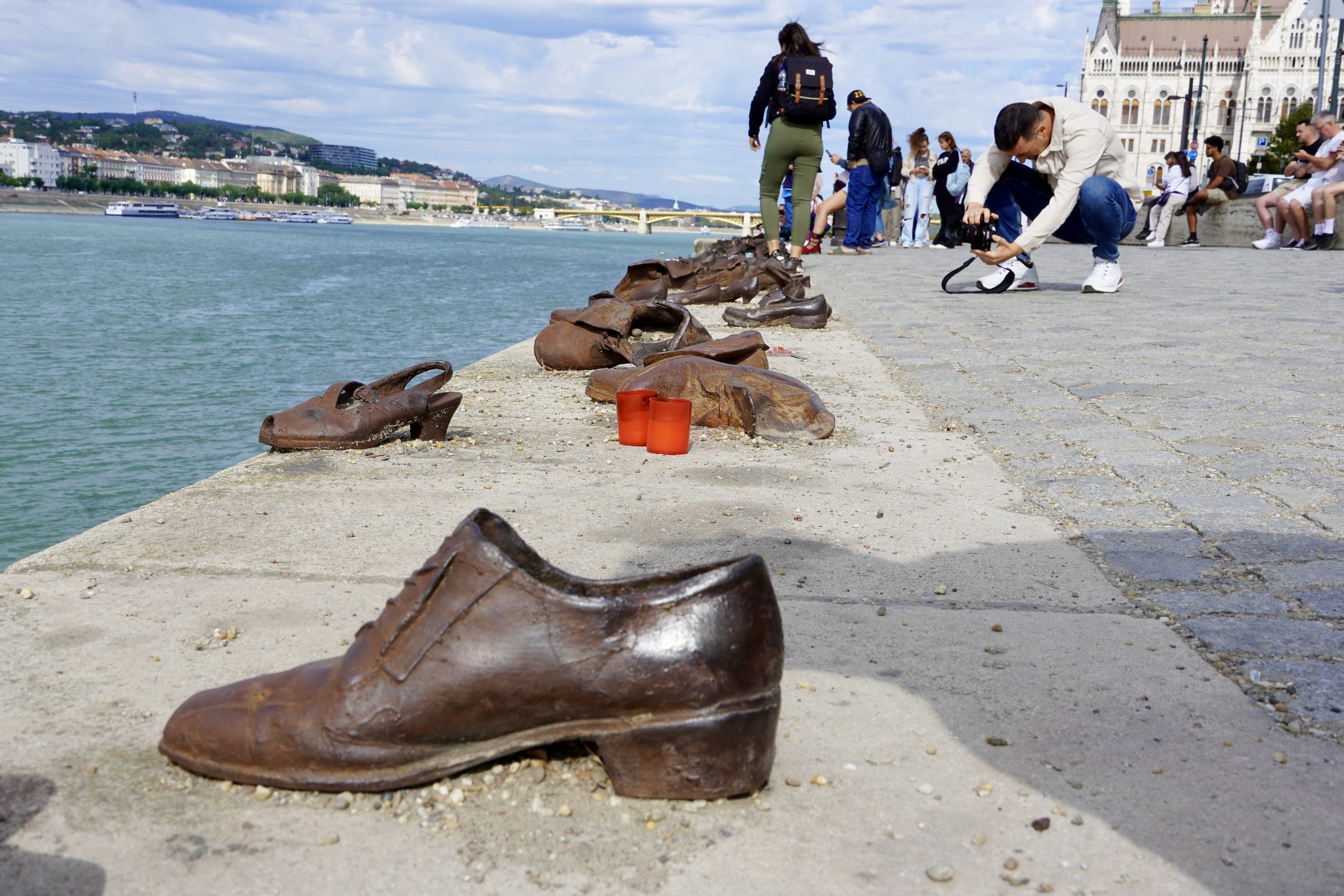
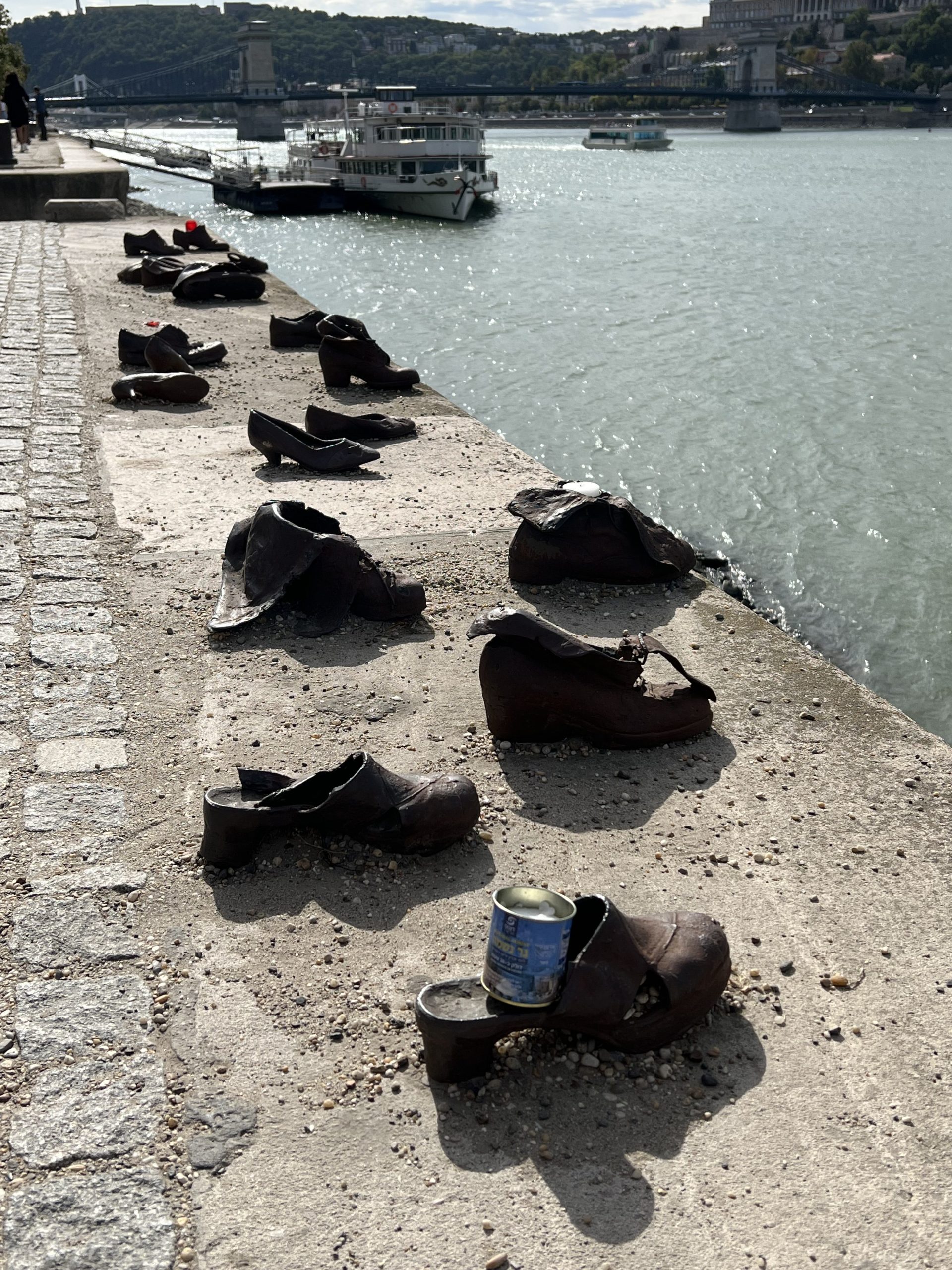
Some places ask you to admire their beauty. Others ask you to remember. Standing along the banks of the Danube in Budapest, it’s easy to be captivated by the sweeping river, the grand Parliament building, and the city’s timeless skyline. But just a few steps from the postcard view lies one of Europe’s most moving memorials—the Shoes on the Danube Bank. At first glance, they appear almost forgotten. A child’s shoe. A gentleman’s dress shoe. A pair of worn heels. Cast in iron, they rest quietly at the water’s edge, as though their owners might return at any moment. But they never did.
During the winter of 1944–1945, members of the Arrow Cross militia rounded up thousands of Hungarian Jews along the Danube. Before they were executed, victims were ordered to remove their shoes—a valuable commodity during wartime. They were then shot, their bodies falling into the icy river, carried away by the current. The shoes remained only in memory. In 2005, sculptor Gyula Pauer and film director Can Togay created this memorial to honor those who lost their lives. Sixty pairs of iron shoes line the riverbank, representing men, women, and children whose stories ended here. The empty footwear reminds visitors that history is not just about numbers—it is about people.
When I visited, I noticed more than the shoes. Fresh flowers had been placed between them. Small red candles flickered in the breeze. Tourists who moments before had been chatting quietly lowered their voices. One photographer crouched down, carefully framing the memorial—not to create a dramatic image, but to preserve its message. It is impossible to stand here without reflecting on how quickly ordinary lives can be transformed by hatred and intolerance. The Danube continues to flow, just as it has for centuries. The city around it thrives with cafés, music, and laughter. Yet these silent shoes ensure that the past is never washed away. Travel often introduces us to breathtaking places, but sometimes its greatest gift is perspective. The Shoes on the Danube Bank remind us that remembrance is an act of responsibility. By telling these stories, we help ensure that future generations understand not only what happened, but why it must never happen again.
As I walked away, I looked back one last time. The river moved endlessly forward. The shoes stayed behind—waiting, not for their owners, but for us to stop, remember, and listen. Photo caption:
The Shoes on the Danube Bank memorial in Budapest commemorates the thousands of Hungarian Jews who were executed along the river during World War II. The iron shoes stand as a powerful reminder of lives lost and the importance of remembering history.
1 Comment
It’s interesting explain thank you for your time🙏