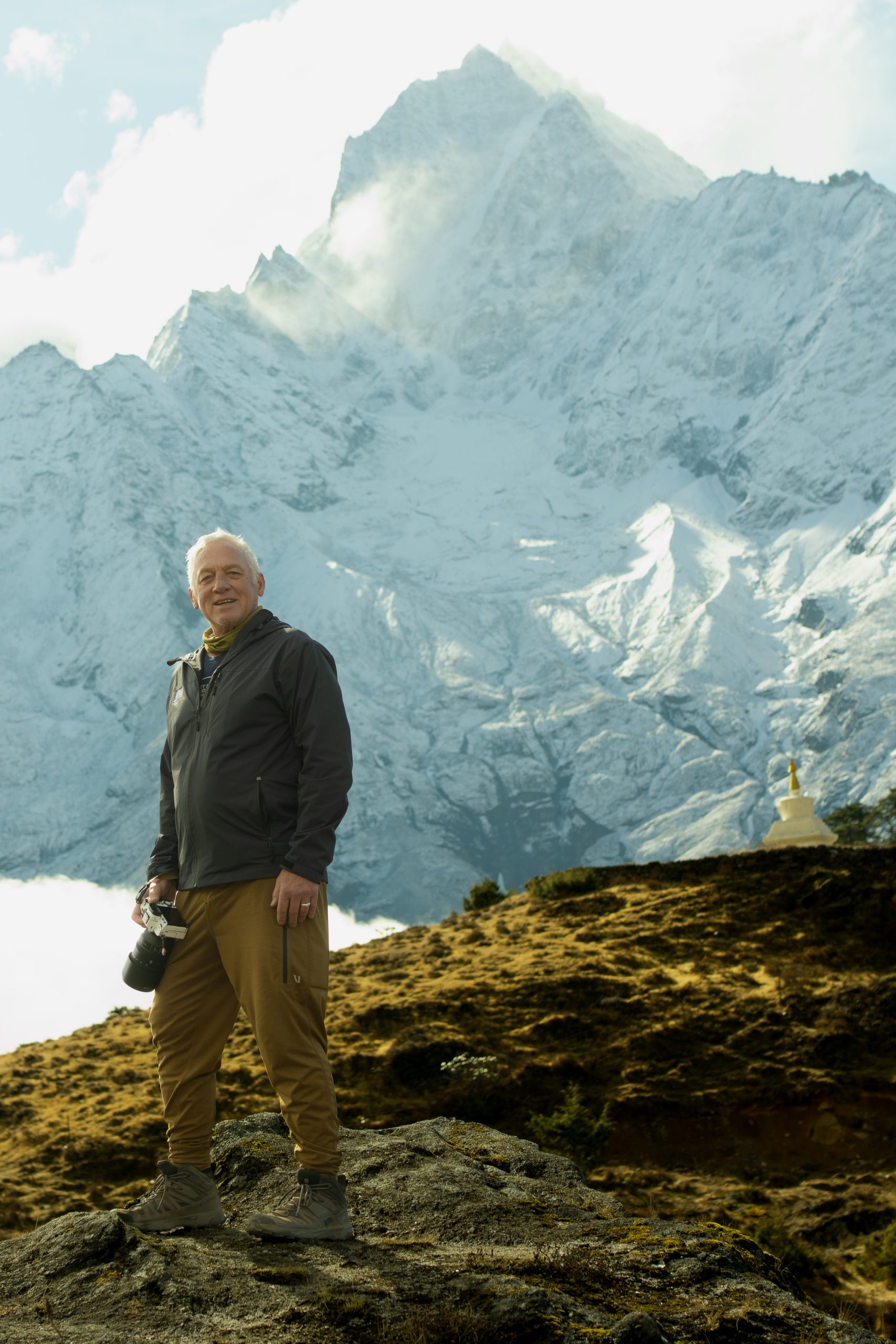
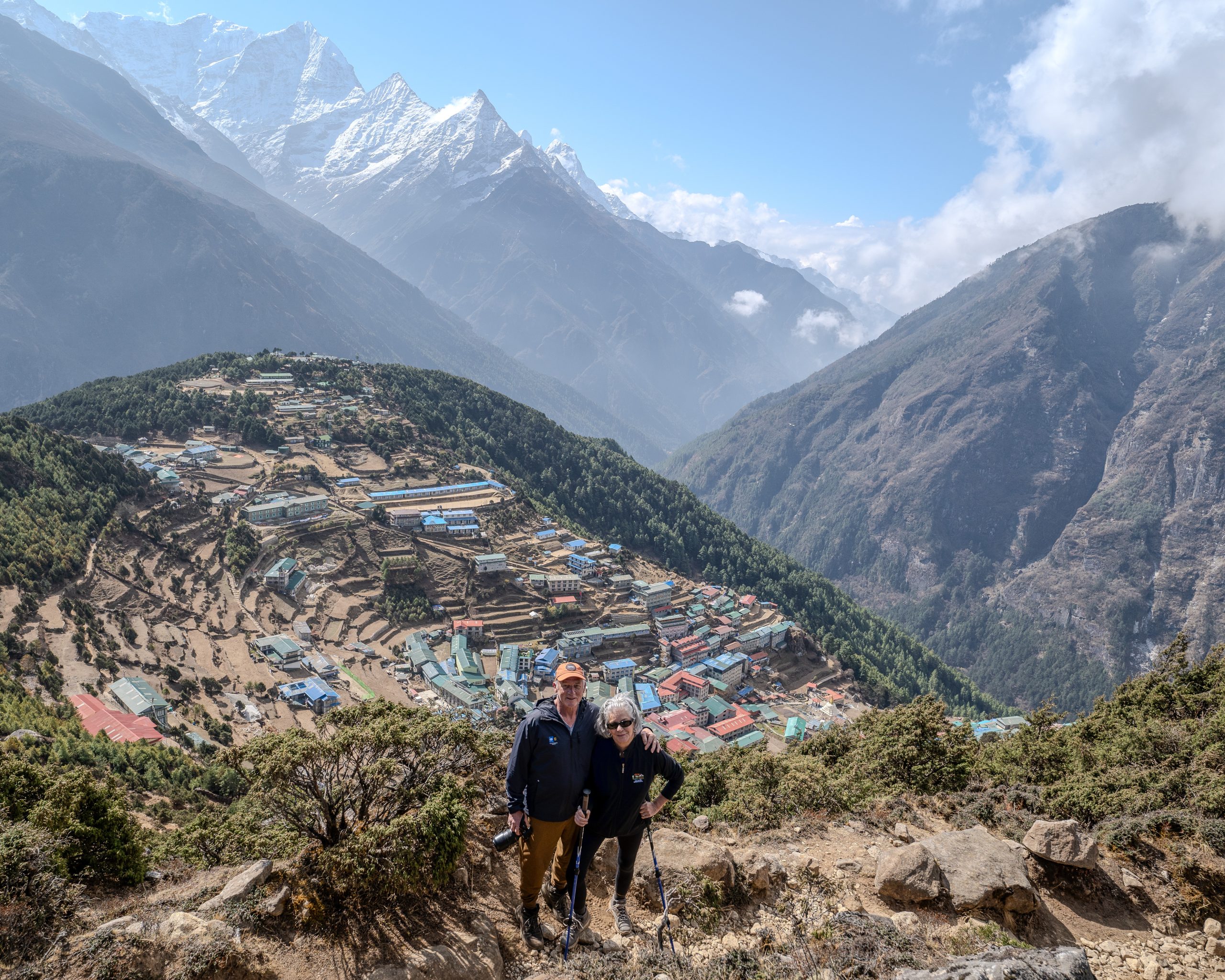
It is most famous as a crucial acclimatization stop for Everest Base Camp trekkers, offering stunning views of peaks like Everest, Ama Dablam, and Lhotse.
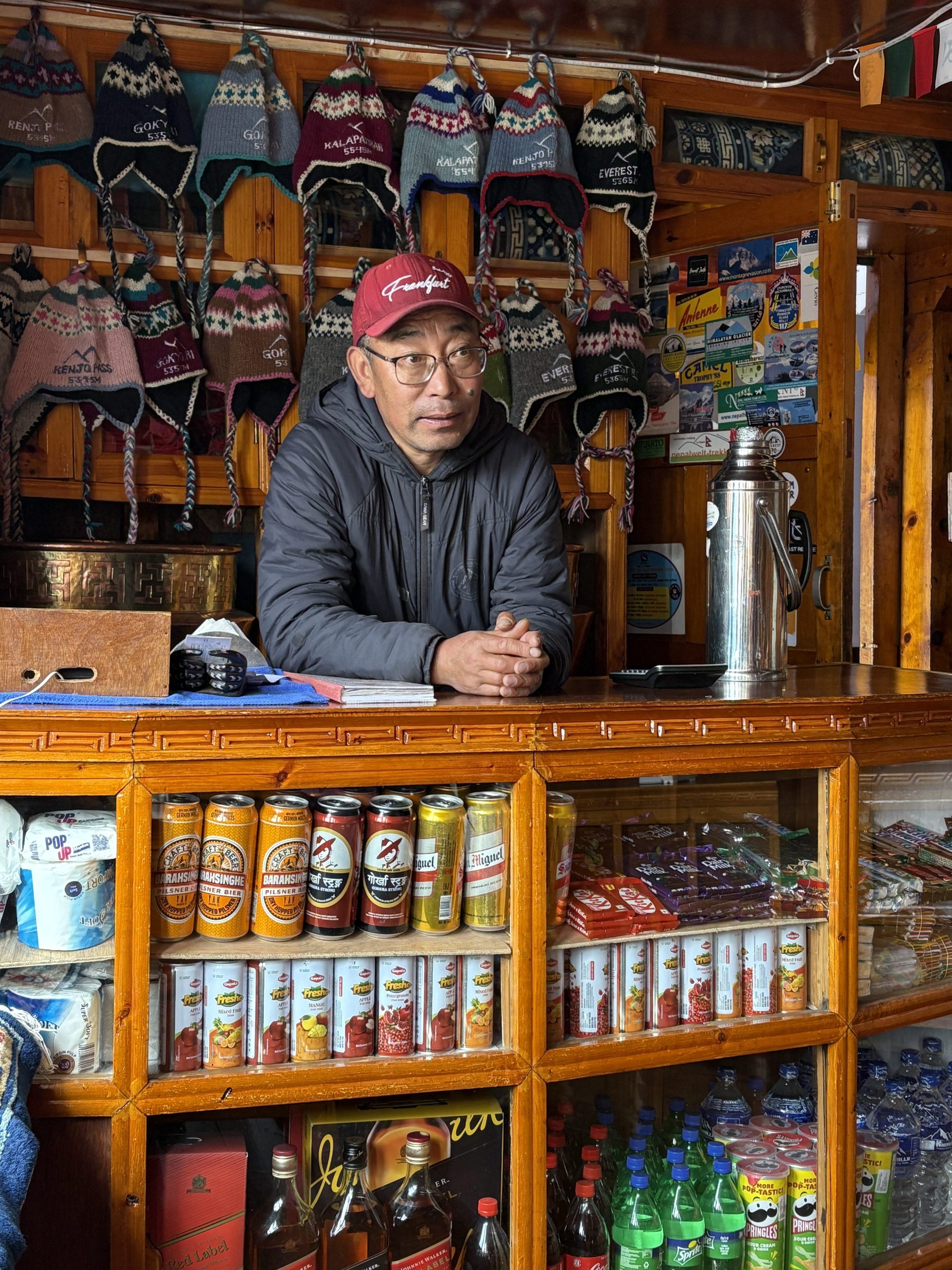
It also features a rich Sherpa culture and traditional Tibetan markets. Namche Bazaar is primarily populated by the Sherpa people, who make up the majority of the town’s roughly 1,600 to 2,000 residents. This vibrant community serves as the historical capital and main trading center of the Khumbu region in northeastern Nepal. Khumjung is situated at an elevation of 3,790 meters (12,434 feet) above sea level. This picturesque Sherpa village sits in the Khumbu region of northeastern Nepal, nestled in a high valley just above Namche Bazaar at the foot of the sacred Mt. Khumbila.
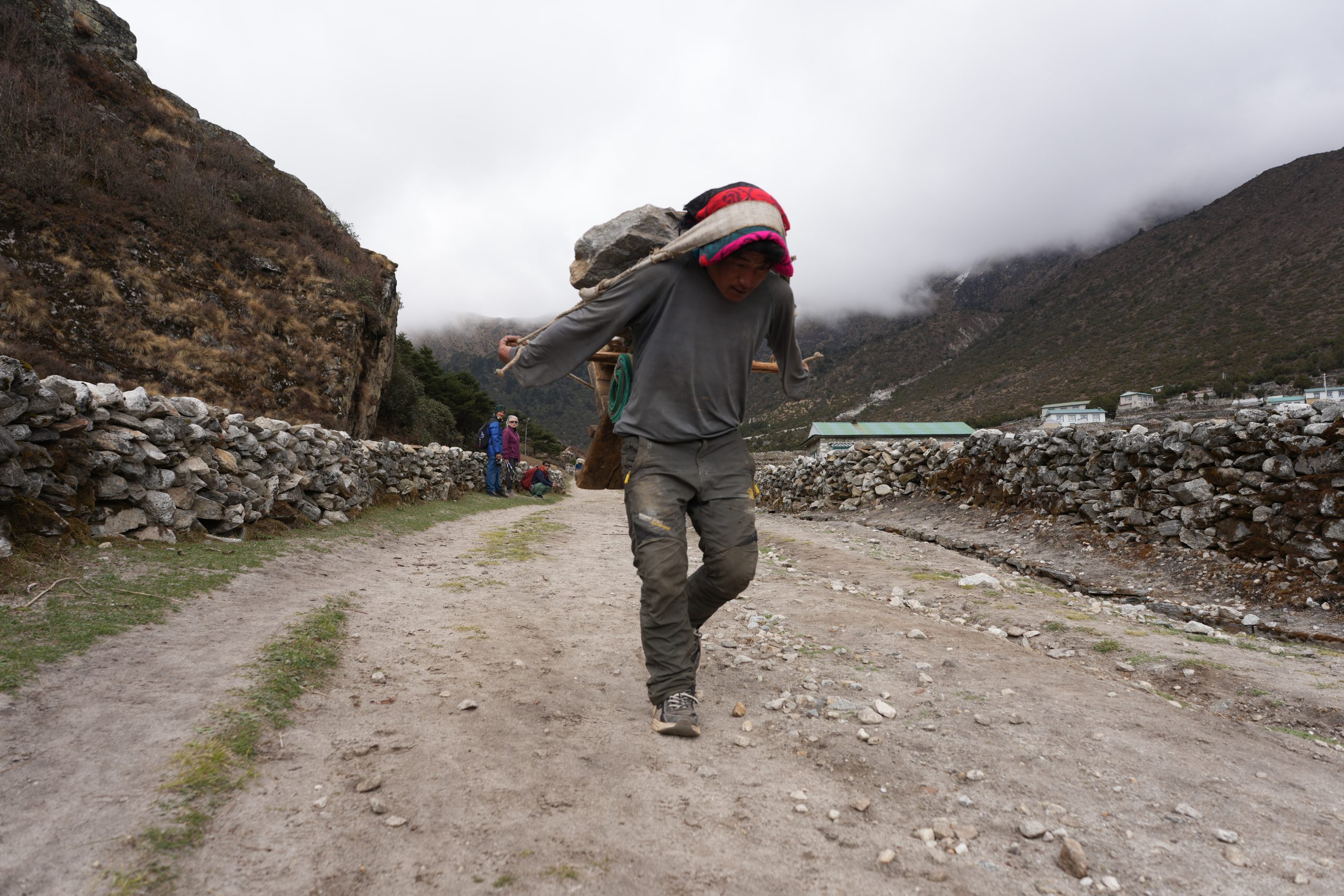
A Sherpa is an elite high-altitude mountaineer and trusted guide from an indigenous ethnic group in the Himalayas of Nepal. They are the indispensable backbone of Himalayan expeditions, responsible for fixing ropes, building camps, carrying heavy gear, and guiding climbers to safety and the summit. Professional training involves mastering the “Sherpa stride” (taking one slow, deliberate step and taking a breath per foot placement to conserve energy). They also train to carry massive, awkward loads (often using traditional doko baskets). During the preseason, they spend weeks running rotations—hauling tents, ropes, and supplemental oxygen from Base Camp to higher camps to stock the mountain before ever guiding a client.
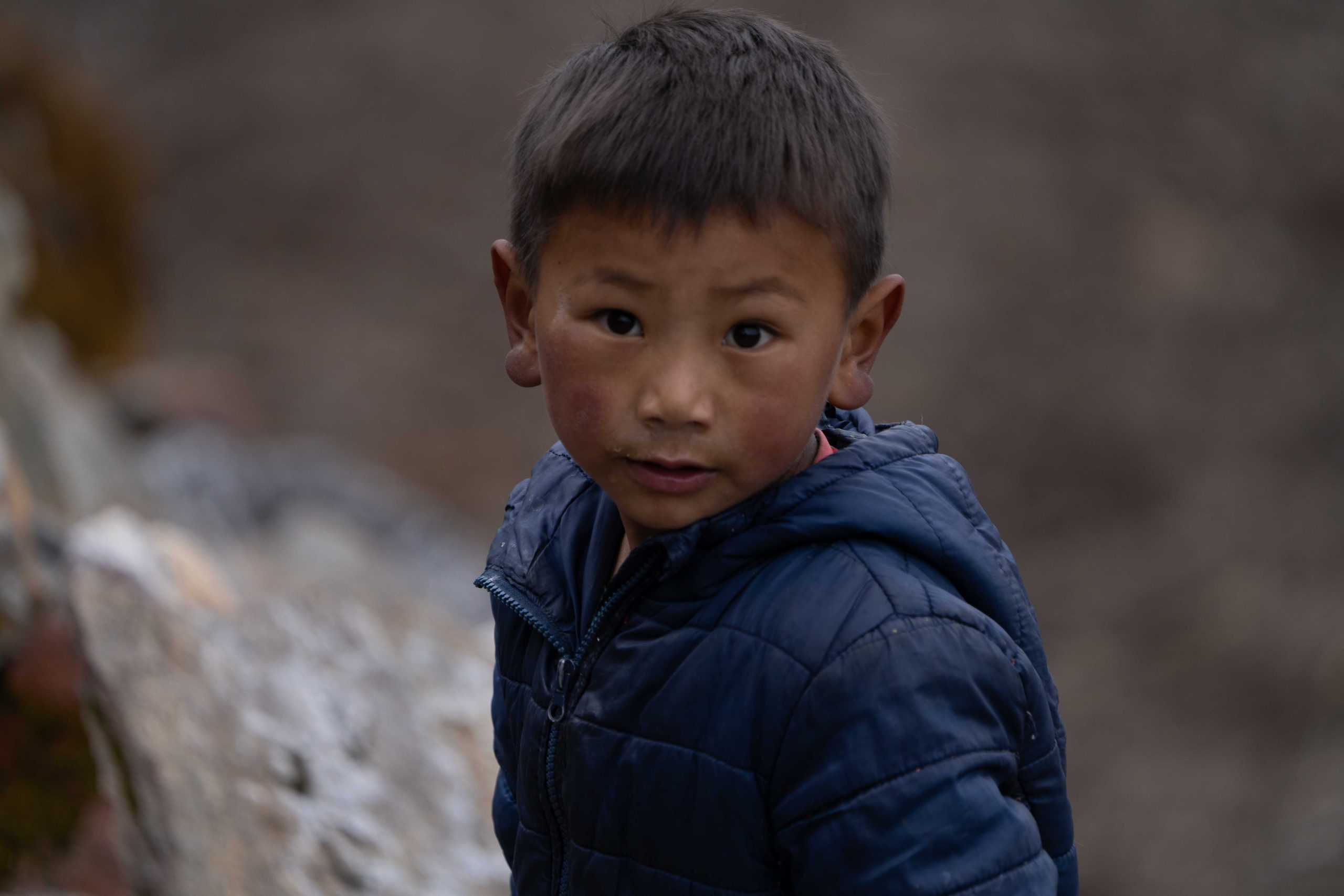
Sherpas do not train for Everest in the conventional sense; they live it. Their foundational training is their childhood. Growing up in the high Himalayas, they naturally develop massive lung capacities and high cardiovascular efficiency, combined with genetic adaptations that allow their bodies to produce energy more efficiently on less oxygen.